Blog

Blog

Federated Learning: Training AI Without Sharing Your Data

In the age of Big Data, the traditional approach to Machine Learning (ML) has always been centralized: gather all the data in one place and train the model there. But as privacy concerns grow, a new paradigm has emerged.

What is Federated Learning?

Federated Learning (FL) is a decentralized machine learning technique where a model is trained across multiple edge devices (like smartphones or IoT sensors) without ever exchanging that data.

Machine Learning Privacy AI Distributed Computing Data Security
Blog

Web Security Essentials: SSRF, CSRF, and CORS Explained

In the modern web landscape, security is not just a feature—it’s a foundation. As applications become more interconnected, understanding the nuances of how requests are handled across different origins and servers is crucial for any developer.

Today, we’re diving into three critical concepts that every web developer should master: SSRF, CSRF, and CORS. While they might sound like alphabet soup, they represent the front lines of web application security.

Security Web Development SSRF CSRF CORS DevSecOps
Blog

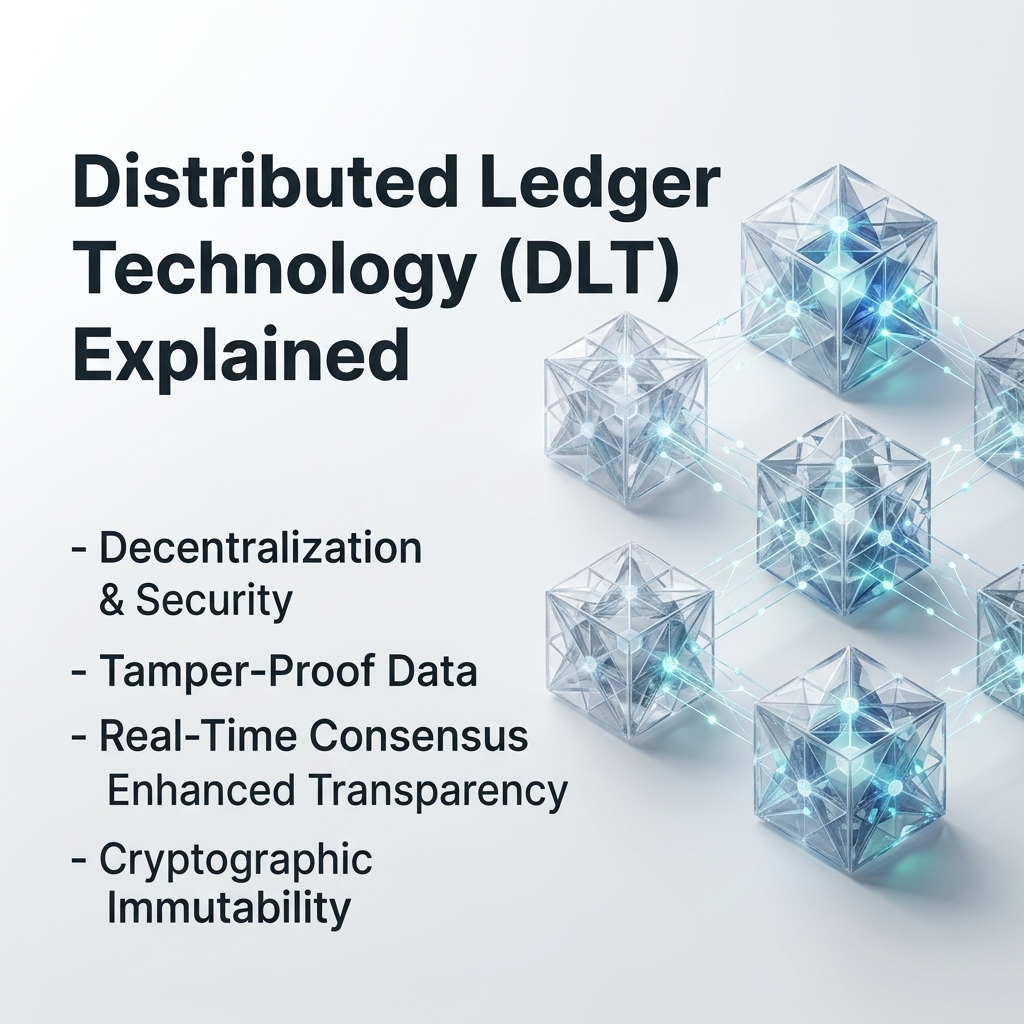
Understanding Proof of Work (PoW): The Engine of Blockchain Security

Proof of Work (PoW) is the original consensus mechanism used in blockchain technology, most famously by Bitcoin. It is a system that requires a participant (miner) to perform a significant computational effort to secure the network and validate transactions.

In this post, we will dive deep into how PoW works, why it is important, and its detailed workflow.


1. What is Proof of Work?

At its core, Proof of Work is a piece of data that is difficult (costly, time-consuming) to produce but easy for others to verify. It acts as a defense against malicious attacks, such as Distributed Denial of Service (DDoS) or spam, by making the cost of the attack prohibitively expensive.

Blockchain Crypto Proof of Work Mining Web3 Security
Blog

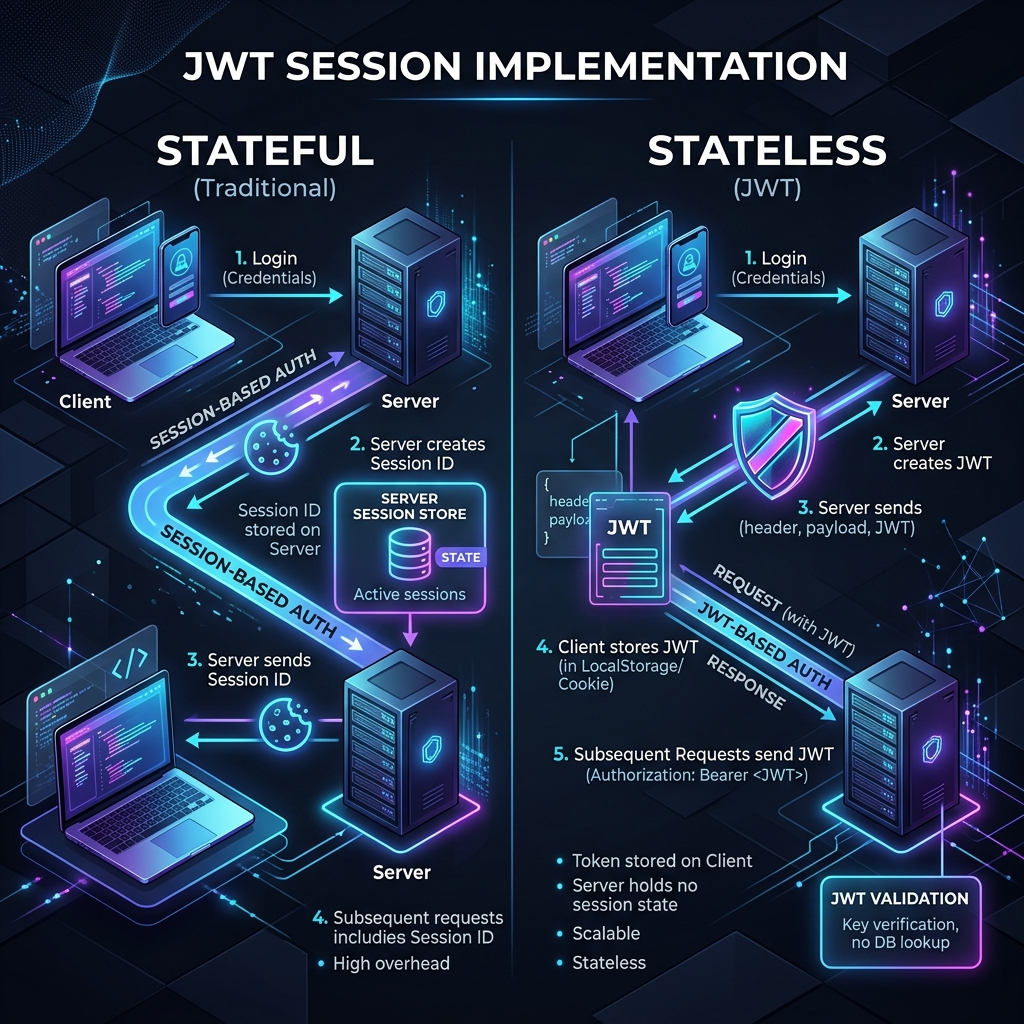
JWT Session Token Implementation: Stateful vs. Stateless

JSON Web Tokens (JWT) have become the industry standard for securely transmitting information between parties as a JSON object. When it comes to session management, developers often face a critical architectural decision: Should the implementation be Stateless (without state) or Stateful (with state)?

Both approaches have their merits, and choosing the right one depends entirely on your application’s scale, security requirements, and infrastructure.


1. Stateless JWT Implementation

In a purely stateless implementation, all the session data (user ID, roles, expiration) is stored directly within the JWT itself. The server does not need to store any session information in a database or cache.

JWT authentication security web development session management dev-tools
Blog

The Future of Software Development: AI, Automation, and Ghaznix

The landscape of software development is shifting beneath our feet. We’ve moved from writing machine code to high-level abstractions, and now, we are entering the era of Intelligent Automation.

As developers, our value is no longer measured by how many lines of boilerplate code we can churn out, but by how effectively we can architect systems and solve complex problems using the best tools at our disposal.

software development AI automation dev-tools json future of tech
Blog

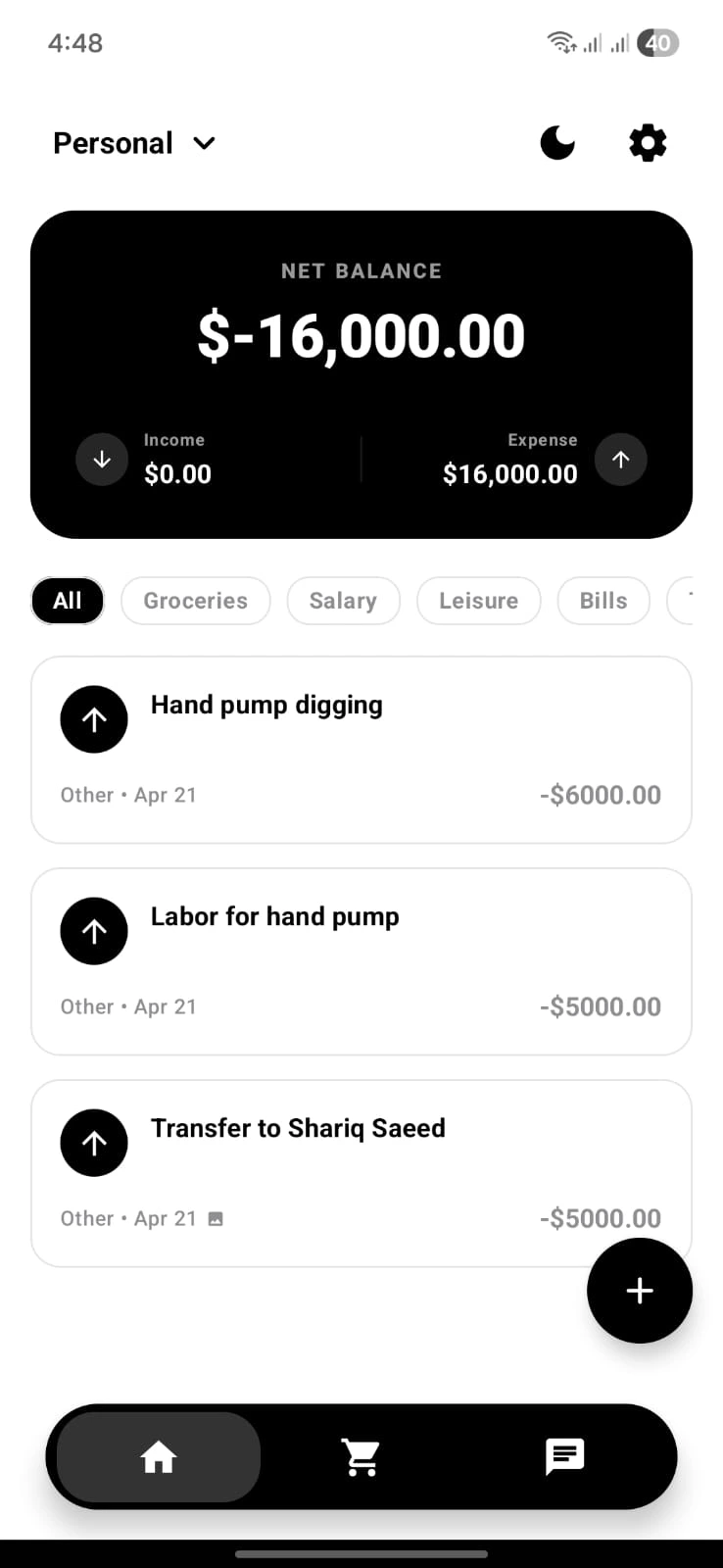
Meet Ghaznix Cash Flow: The AI-Powered Budget Manager

Managing a budget has always been a chore. Tracking every receipt, categorizing expenses, and remembering what you spent money on three days ago usually involves tedious manual data entry.

We believe managing your personal finances should be effortless. That’s why we are thrilled to announce Ghaznix Cash Flow (Coming Soon)—our brand new app designed to completely change how you maintain your budget.


1. Tell a Story, Track a Budget

The standout feature of Ghaznix Cash Flow isn’t just beautiful charts or clean spreadsheets. It is our integrated AI Financial Assistant.

cash flow finance ai assistant budgeting ghaznix products
Blog

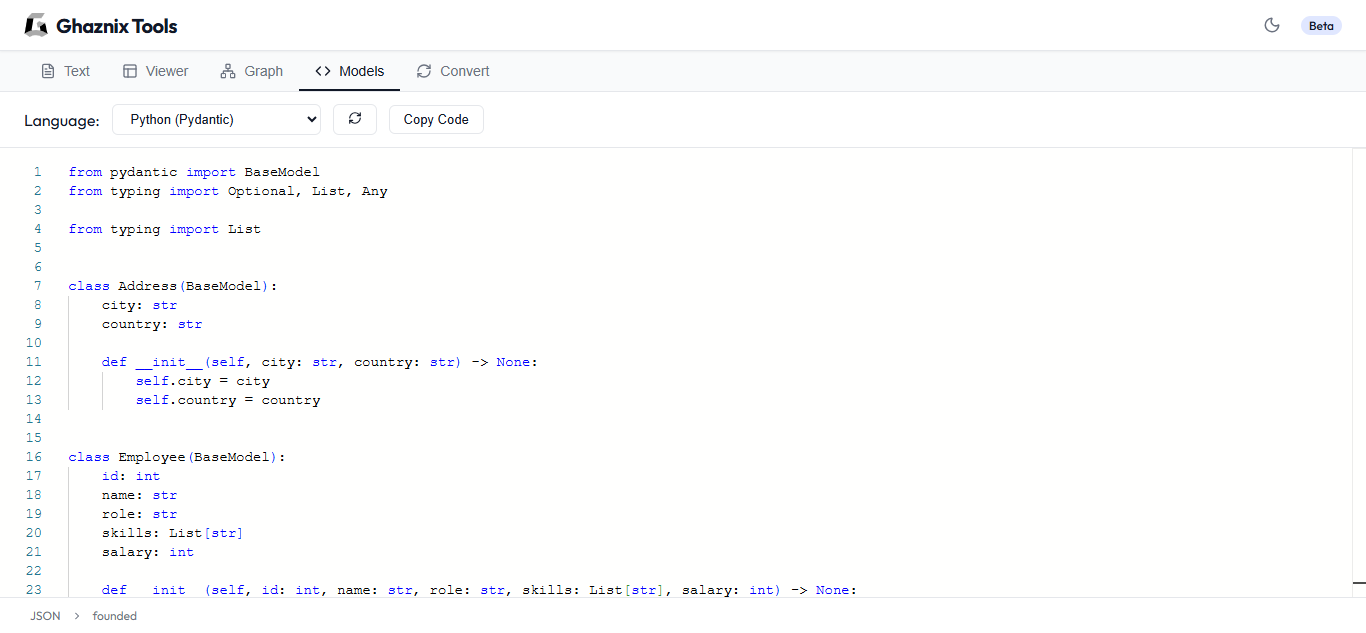
Convert JSON to Any Code Model Instantly with Ghaznix Explorer

If you work with external APIs, you know the struggle. You receive a massive JSON payload, and before you can even begin writing business logic, you have to spend 30 minutes manually typing out data classes, structs, or models to parse it correctly.

Typing out nested properties in Go, dealing with getters and setters in Java, or writing Pydantic validation schemas in Python is tedious and highly prone to typos.

json code generation python golang java csharp pydantic kotlin dart mongoose
Blog

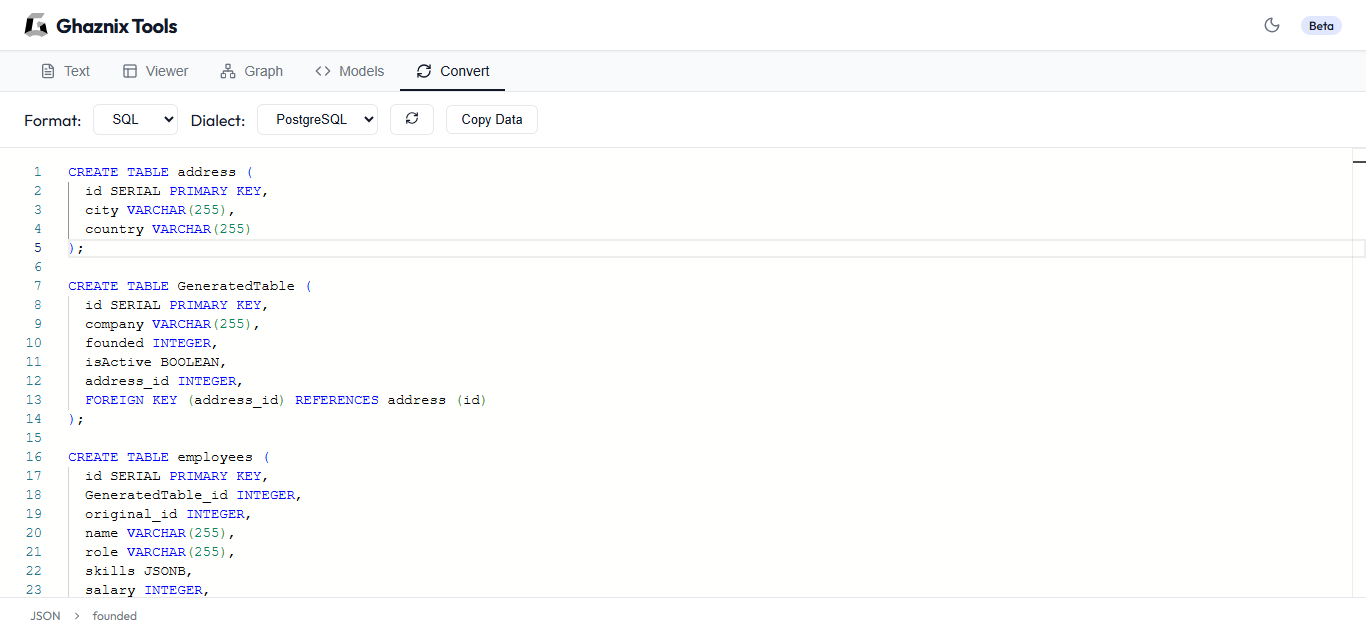
Generate SQL Schemas from JSON Instantly with Ghaznix Explorer

Designing database tables for complex JSON data can be a tedious and error-prone process. If you’ve ever had to manually write CREATE TABLE statements by staring at a massive, nested JSON payload from a third-party API, you know exactly how much time it wastes.

To solve this, we’ve introduced a powerful new feature to JSON Explorer by Ghaznix: the JSON to SQL Schema Converter.


1. What is the JSON to SQL Converter?

The JSON to SQL Converter is a built-in tool within the Ghaznix JSON Explorer that automatically analyzes your JSON structure and generates the corresponding SQL table schemas.

json sql database design ghaznix json explorer developer tools
Blog

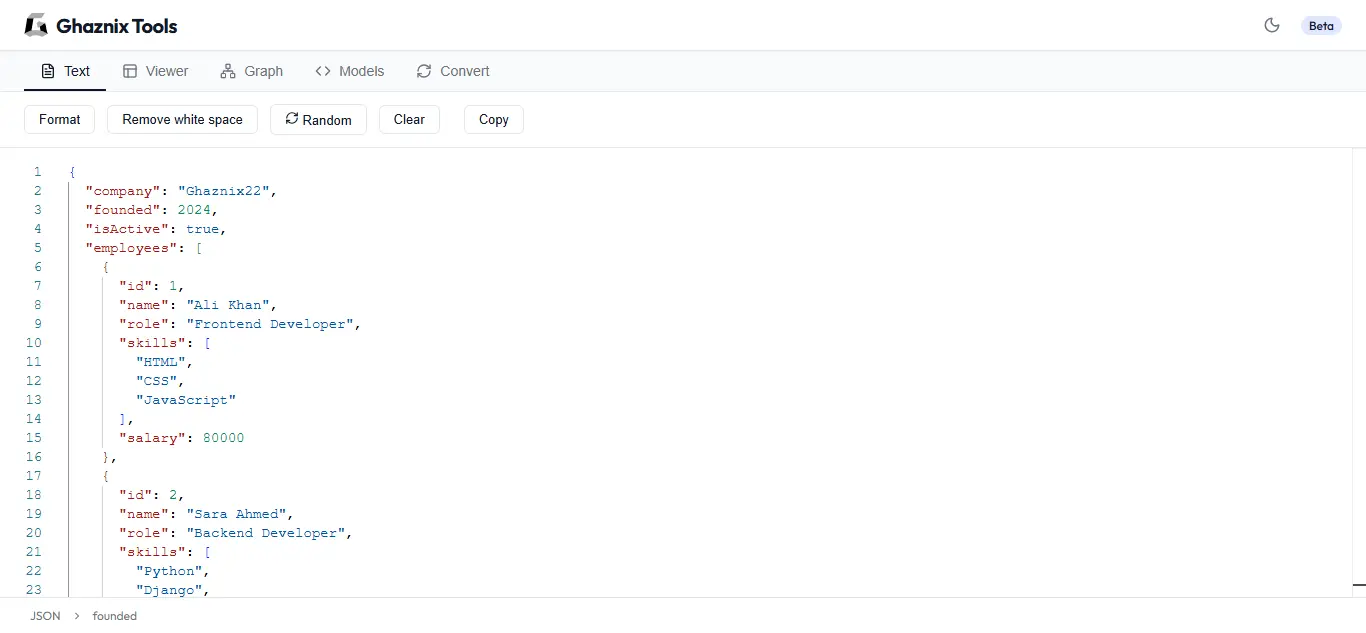
Mastering Data with JSON Explorer by Ghaznix

In modern software development, JSON (JavaScript Object Notation) is the undisputed king of data transfer. Whether you are building APIs, configuring servers, or debugging web applications, you are constantly interacting with JSON. However, reading raw, unformatted JSON can be a nightmare for your eyes and productivity.
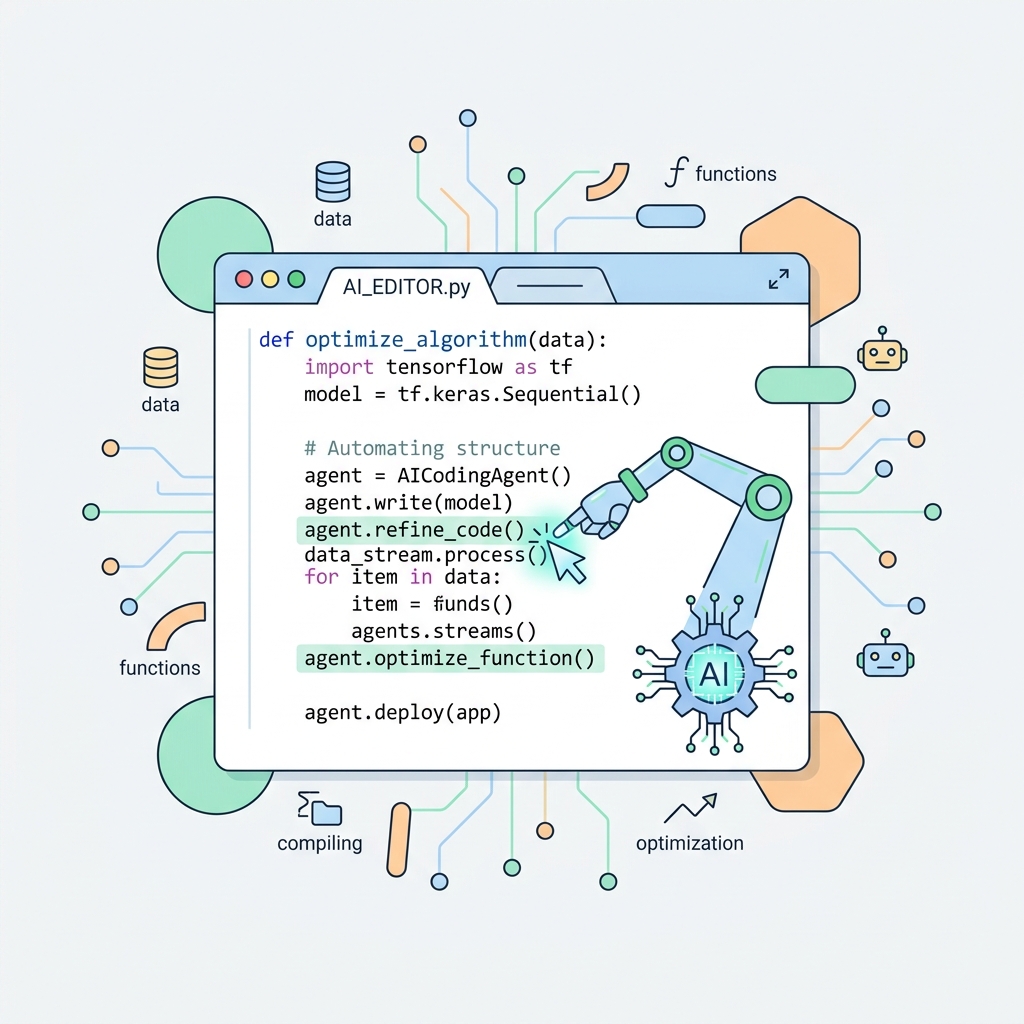

That’s where JSON Explorer by Ghaznix comes in.

We built JSON Explorer to be the ultimate developer companion—a fast, secure, and intuitive tool designed to format, validate, and navigate complex JSON data effortlessly.

json developer tools ghaznix json explorer data formatting
Blog

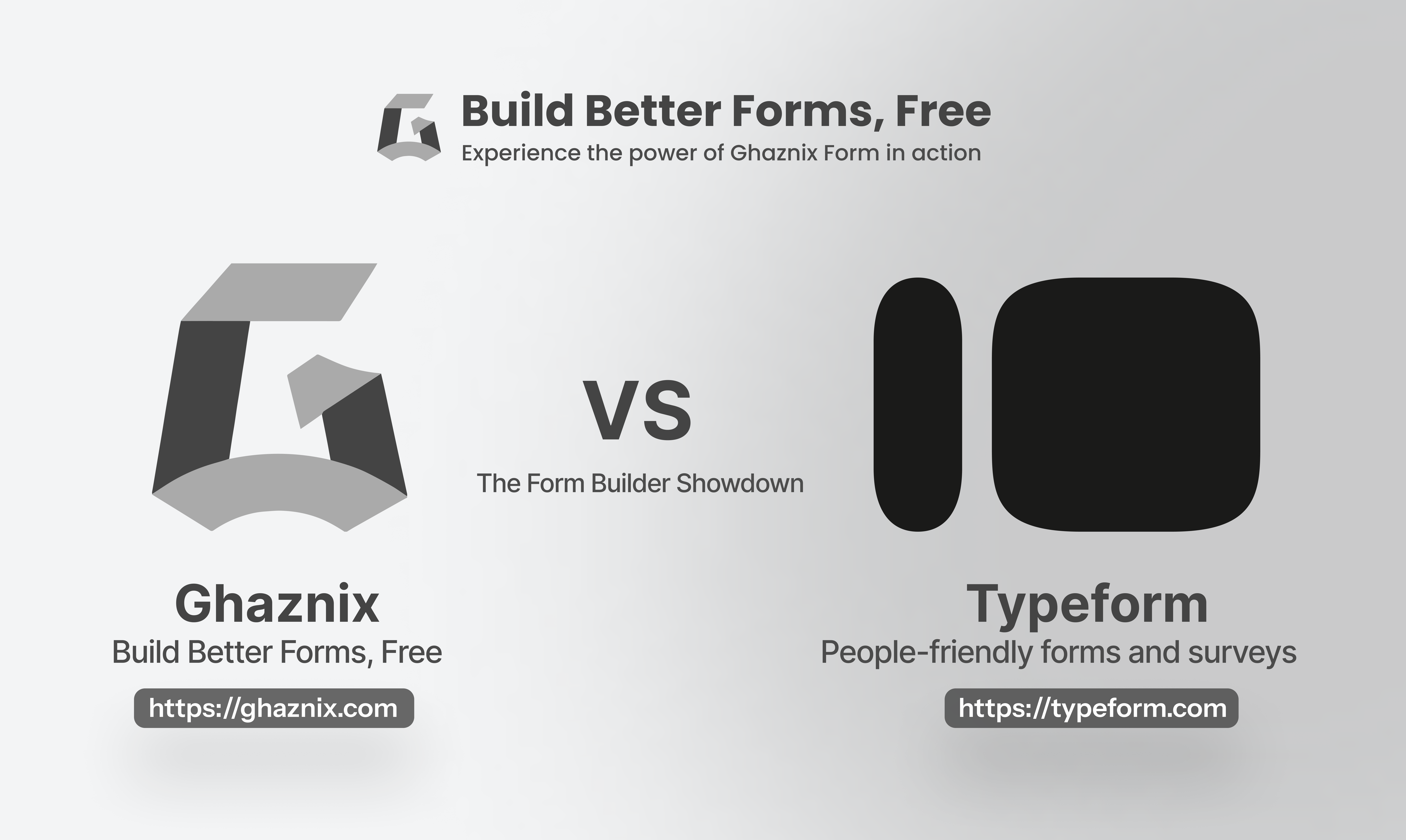
Ghaznix Form vs Typeform: Which One Is Right for You

Choosing the right survey platform can make a huge difference in how you collect feedback, generate leads, and understand your audience. Two popular tools people often compare are Ghaznix Form and Typeform. While both allow you to create modern surveys and forms, they serve slightly different needs depending on your goals, budget, and workflow.

In this comparison, we’ll break down the key differences so you can decide which platform fits your requirements best.

survey tools form builder ghaznix form typeform comparison
Blog

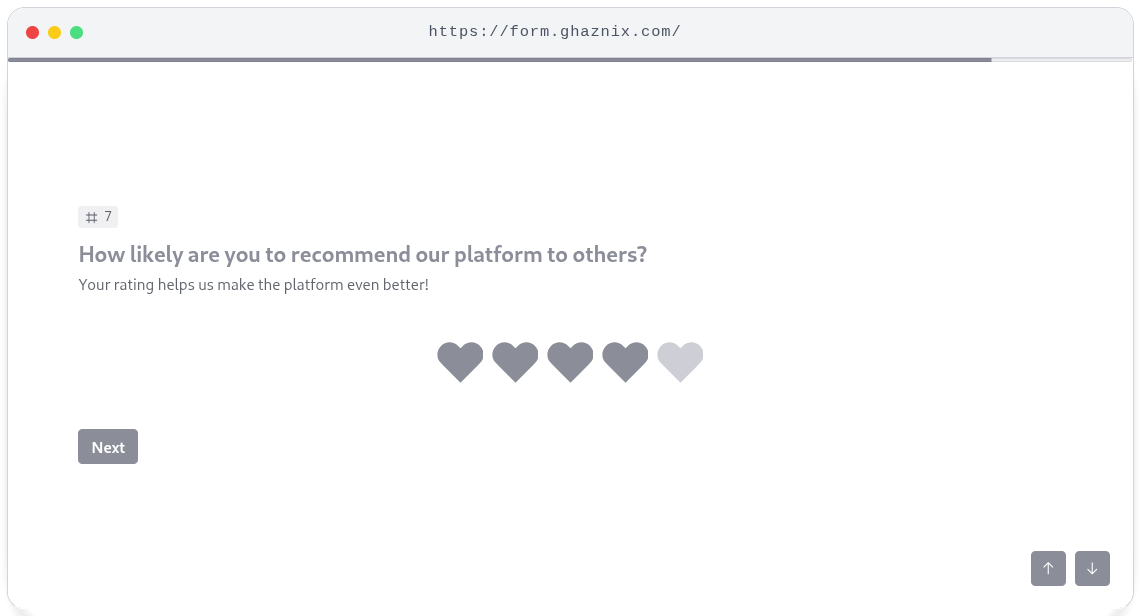
How to Create a Survey That Gets Better Responses

Creating a survey might seem simple. You write some questions, send it out, and wait for answers. However, anyone who has run a survey knows that getting meaningful and actionable responses takes careful planning. Low response rates, incomplete answers, or unclear feedback are common problems, but they can be avoided.

In this guide, we’ll show you how to create surveys that encourage participation, deliver valuable insights, and make your respondents feel heard.

survey survey design survey methodology