Software Development Trends 2026: Navigating the Future of Technology
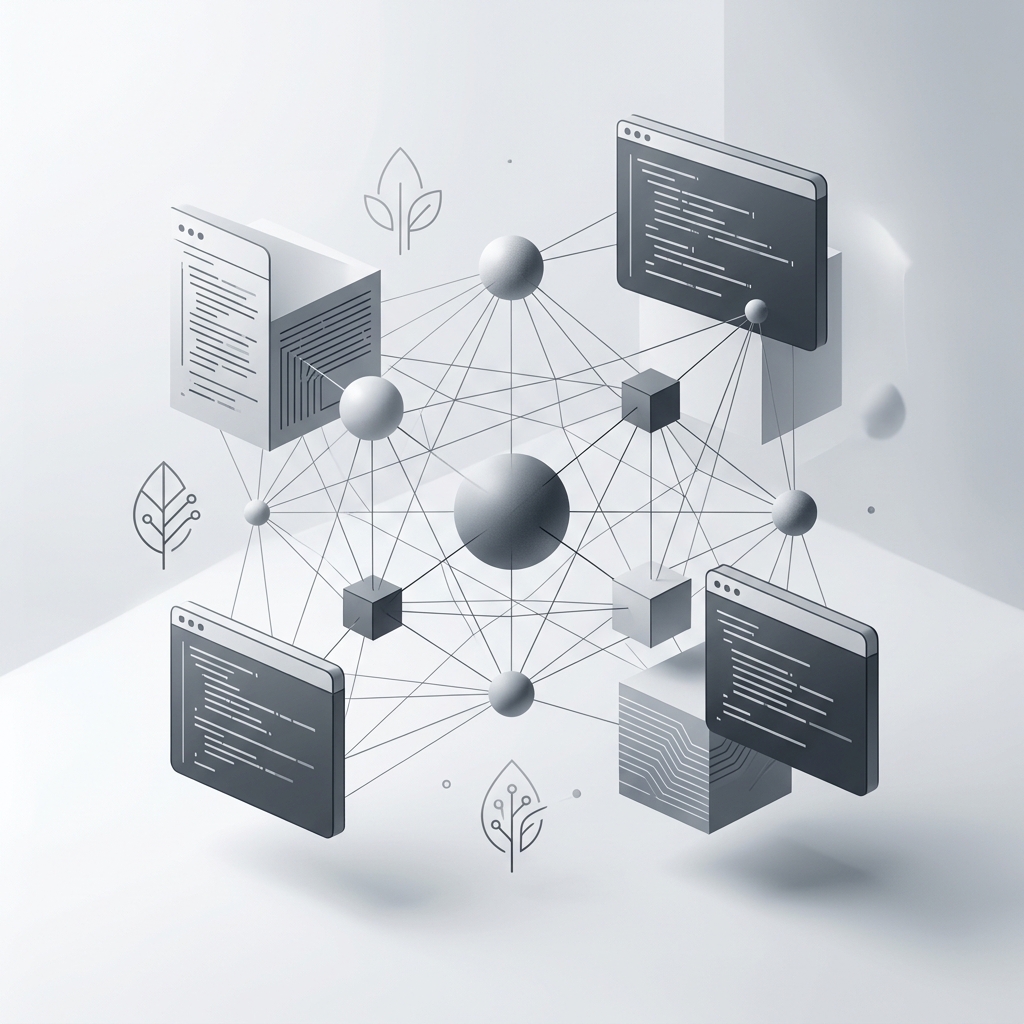
The world of software development is moving at an unprecedented pace. As we step into 2026, the industry is transitioning from simply “using AI” to building fully autonomous, resilient, and sustainable systems. The tools and methodologies we used just a few years ago are being replaced by smarter, more efficient alternatives.
In this deep dive, we explore the top 5 trends that are defining the software engineering landscape in 2026.
1. The Era of AI-Agentic Workflows
We have moved beyond simple code completion. In 2026, AI Agents are becoming core members of development teams. Unlike previous assistants, these agents can autonomously:
- Execute End-to-End Tasks: From interpreting a Jira ticket to writing the code, running tests, and opening a Pull Request.
- Continuous Code Maintenance: Automatically updating dependencies and fixing security vulnerabilities without human intervention.
- Predictive Architecture: Suggesting architectural changes based on real-time performance data and traffic patterns.
The focus has shifted from “How do I write this code?” to “How do I orchestrate these agents to solve the problem?”
2. Platform Engineering & The Golden Path
To combat the increasing complexity of cloud-native environments, Platform Engineering has become the standard. Organizations are building internal developer portals (IDPs) that provide a “Golden Path” for engineers.
- Self-Service Infrastructure: Developers can spin up databases, clusters, and CI/CD pipelines with a single click.
- Reduced Cognitive Load: By abstracting away the underlying infrastructure, developers can focus entirely on shipping features.
- Standardized Security: Compliance and security are baked into the platform by default, ensuring every deployment is “secure by design.”
3. Cyber Resilience and Zero Trust Development
With the rise of automated cyberattacks, security is no longer a separate phase; it is the foundation. Cyber Resilience means building systems that can withstand and recover from attacks in real-time.
| Concept | Implementation in 2026 |
|---|---|
| Zero Trust | Every microservice and user is verified at every step, regardless of network location. |
| Software Bill of Materials (SBOM) | Automated tracking of every single dependency to prevent supply chain attacks. |
| AI-Powered Threat Detection | Real-time monitoring of application behavior to identify and block anomalies instantly. |
4. WebAssembly (Wasm) Beyond the Browser
WebAssembly is no longer just for high-performance web apps. It is taking over the server-side and edge computing space.
- Lightweight Execution: Wasm modules start in milliseconds and consume far fewer resources than traditional Docker containers.
- Universal Portability: Write once in Rust, C++, or Go, and run anywhere—from edge nodes to cloud servers.
- Security Sandboxing: Wasm provides a highly secure execution environment, isolating code from the underlying host system.
5. Green Software Engineering
Sustainability is no longer an afterthought. Green Software Engineering is about building applications that minimize carbon footprints and energy consumption.
- Carbon-Aware Programming: Writing algorithms that execute during periods of high renewable energy availability.
- Energy-Efficient Languages: The continued rise of Rust and Zig due to their memory safety and low power consumption.
- Hardware Optimization: Leveraging specialized AI chips and ARM processors to maximize performance per watt.
Conclusion: Adapting to the New Reality
The trends of 2026 highlight a clear shift toward autonomy, efficiency, and responsibility. For developers and organizations, the key to success is not just adopting new tools, but embracing a mindset of continuous learning and adaptation.
At Ghaznix, we are committed to building tools that align with these future-ready principles, helping you stay ahead of the curve in an ever-evolving digital world.
Summary
The software development landscape in 2026 is defined by the rise of autonomous AI agents, the standardization of platform engineering, a shift toward cyber resilience, the expansion of WebAssembly, and a core focus on green engineering. Success in this era requires balancing rapid innovation with security and sustainability.
Tags
Empower Your Digital Presence & Workflows
Explore top-tier tools built by Ghaznix to streamline your links, surveys, and brand growth.