AI-Powered Digital Marketing Strategies
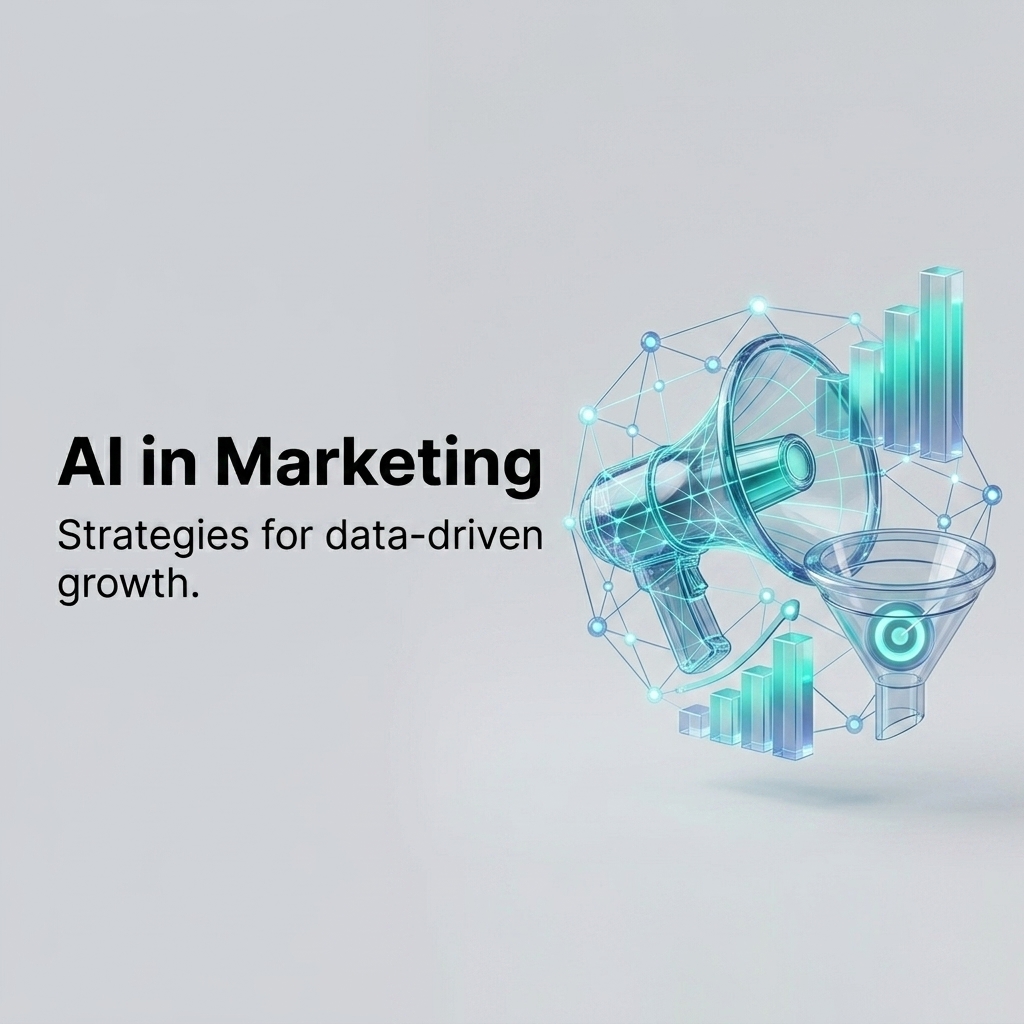
Digital marketing is no longer just about running ads or writing newsletter copy. In 2026, the landscape has evolved into an AI-powered system that shifts from static demographic targeting to dynamic, hyper-personalized experiences. By analyzing consumer behavior in real-time, predicting purchase intent, and automatically optimizing campaigns, AI is transforming how brands connect with their audiences.
Whether you are a startup founder or a seasoned marketer, leveraging AI-powered marketing strategies is crucial for scaling your growth.
1. Predictive Analytics & Customer Segmentation
Traditionally, customer segmentation was based on static criteria like age, location, or gender. AI has made this approach obsolete.
Using Predictive Analytics, machine learning models process historical purchase data, browsing behavior, and engagement patterns to construct dynamic customer segments. These models can:
- Predict Churn Risk: Identify customers who are showing signs of disengagement before they leave, allowing for proactive retention campaigns.
- Estimate Customer Lifetime Value (CLV): Forecast the future value of a lead to optimize acquisition budgets.
- Determine Next-Best-Action: Recommend the exact product, offer, or channel most likely to trigger a purchase.
2. Hyper-Personalization and Conversational AI
Consumers expect brands to understand their individual needs. Broad-stroke messaging no longer performs.
AI-driven personalization dynamically modifies website layouts, email campaigns, and product recommendations in real-time. Additionally, Conversational AI agents have advanced beyond simple menu-based bots. They can:
- Understand customer intent using Natural Language Processing (NLP).
- Handle complex product inquiries and guide users through the sales funnel.
- Provide 24/7 multilingual support, ensuring no lead is ever dropped.
3. AI-Powered Content Creation and SEO
Content remains king, but the way we create it is changing. Generative AI tools (LLMs) enable rapid production of blog posts, social media captions, and ad creatives. However, the key to success is human-in-the-loop validation.
AI should be used to:
- Generate Structured Outlines: Rapidly brainstorm topics and draft structures based on search intent.
- Optimize for Search Engines (SEO): AI engines analyze high-ranking pages to suggest target keywords, meta descriptions, and structural improvements.
- A/B Test Copy: Create dozens of variations of ad titles and body copy to test which performs best.
4. Programmatic Advertising
Programmatic advertising uses AI and machine learning algorithms to automate the buying and placement of ads in real-time. Instead of negotiating ad placements manually, platforms use real-time bidding (RTB) to serve the right ad to the right user at the optimal price.
AI models continuously analyze bid prices, click-through rates, and conversion metrics to reallocate budgets instantly to the highest-performing channels.
Traditional vs. AI-Powered Marketing
| Feature | Traditional Marketing | AI-Powered Marketing |
|---|---|---|
| Segmentation | Static, rule-based demographics | Dynamic, behavior-based prediction |
| Content Creation | Manual copywriting & design | AI-assisted drafting & dynamic rendering |
| Ads Optimization | A/B testing over days/weeks | Real-time multi-armed bandit optimization |
| Customer Support | Fixed hours, form-based responses | 24/7 conversational AI assistance |
Implementing Predictive Scoring in Python
Below is a minimal, self-contained Python snippet demonstrating how marketing engines use customer attributes to predict lead conversion probabilities:
import numpy as np

# Sample customer features: [Recency (days), Frequency (purchases), MonetaryValue ($)]
X = np.array([
    [5, 12, 450],   # Customer A: Highly active, high frequency, high value
    [120, 1, 30],   # Customer B: Inactive, low frequency, low value
    [12, 4, 120],   # Customer C: Active, medium frequency, medium value
    [80, 2, 80]     # Customer D: Inactive, low frequency, medium value
])

# Weights representing the impact of Recency, Frequency, and Monetary Value
# Note: Recency is negative because a lower number of days since last purchase is better
weights = np.array([-0.5, 2.0, 0.05])
bias = 10.0

# Calculate raw engagement score (Dot product)
raw_scores = np.dot(X, weights) + bias

# Apply Sigmoid activation function to map scores to a conversion probability (0 to 1)
conversion_probability = 1 / (1 + np.exp(-raw_scores))

print("Predictive Lead Scoring Results:")
for i, p in enumerate(conversion_probability):
    print(f"Customer {chr(65+i)} Conversion Probability: {p:.2%}")
Conclusion: Combining Human Creativity with AI
AI is a powerful force multiplier, but it does not replace the human touch. The most successful digital marketing strategies combine the analytical power of AI with human empathy, storytelling, and strategic vision. By delegating data analysis, targeting, and optimization to smart algorithms, marketers are freed to focus on what matters most: building authentic relationships with customers.
Empower Your Digital Presence & Workflows
Explore top-tier tools built by Ghaznix to streamline your links, surveys, and brand growth.