The Rise of AI-Powered Chatbots in Business: Transforming Communication in 2026
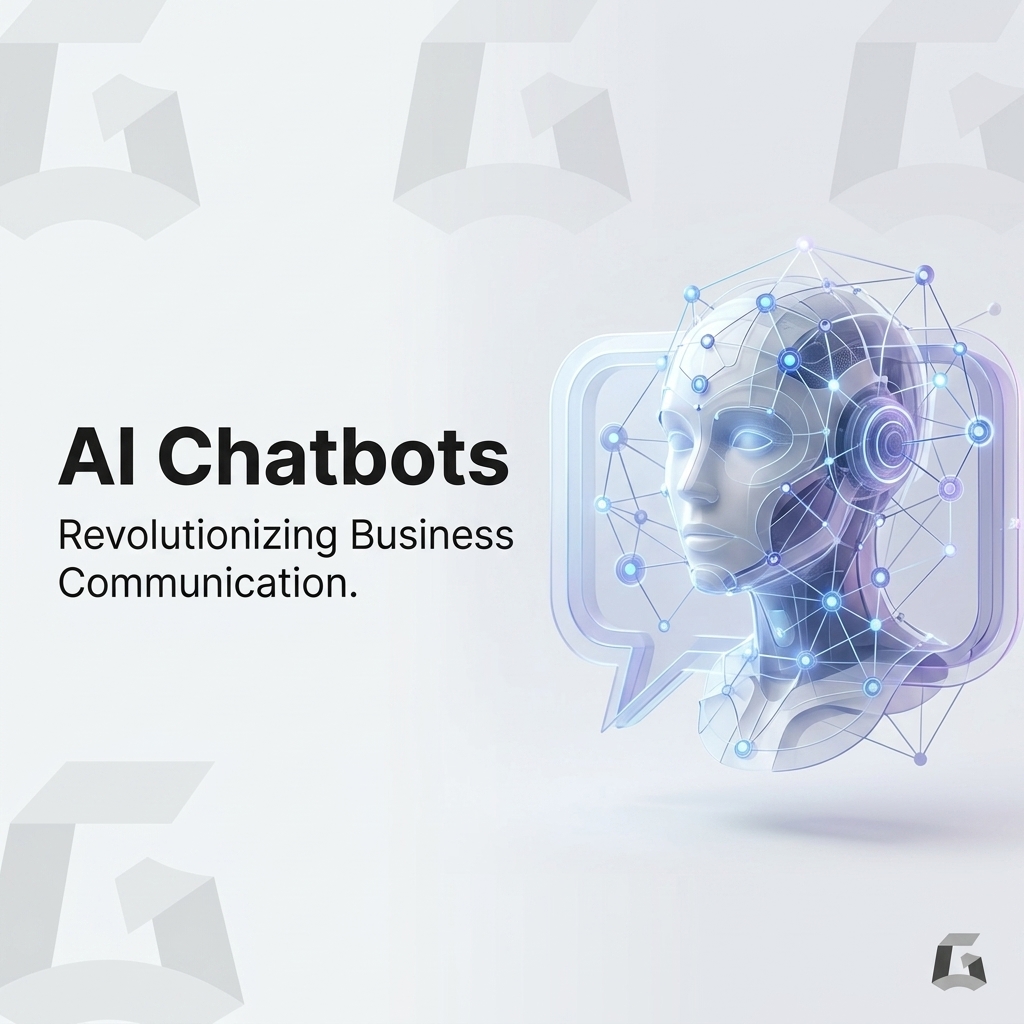
In the fast-paced business landscape of 2026, the way companies interact with their customers has undergone a radical shift. The era of rule-based, “click-to-chat” bots is officially over. Today, AI-powered chatbots driven by Large Language Models (LLMs) are not just support tools—they are strategic assets that drive growth, loyalty, and operational excellence.
Here is how intelligent conversational agents are redefining the business world today.
1. Beyond the FAQ: The New Intelligent Assistant
Modern AI chatbots have evolved beyond simple keyword matching. In 2026, they understand intent, nuance, and context. This is made possible through a combination of Natural Language Understanding (NLU)—which helps the bot comprehend what the user means—and Natural Language Generation (NLG)—which allows it to construct coherent, helpful responses.
Instead of redirecting users to a static help article, these bots can troubleshoot complex technical issues, provide real-time product recommendations, and even negotiate service terms—all while maintaining a natural, human-like tone.
2. 24/7 Global Presence
For businesses operating in a global market, time zones are no longer a barrier. AI chatbots provide instant, high-quality responses at any hour of the day or night. This immediate availability has been proven to increase conversion rates significantly, as customers in 2026 expect—and receive—instant gratification in their digital interactions.
3. Hyper-Personalization Through Data Integration
The real power of an AI chatbot lies in its ability to connect with a company’s data ecosystem. By integrating with CRM (Customer Relationship Management) systems, bots can recognize a returning customer, recall their past purchases, and offer personalized advice based on their specific history.
Imagine a bot that says: “Welcome back, Sarah! I see you enjoyed our cloud hosting package last year. Would you like to see how our new 2026 enterprise features can help scale your current projects?” This level of personalization creates a premium experience that builds deep brand loyalty.
4. Unmatched Operational Scalability
Scaling a human support team to handle sudden spikes in traffic is expensive and time-consuming. AI chatbots, however, can handle thousands of simultaneous conversations without any drop in performance or quality. This scalability allows businesses to grow rapidly without the linear increase in overhead costs traditionally associated with customer service.
5. Sentiment Analysis: The Empathetic Bot
In 2026, bots aren’t just intelligent; they are emotionally aware. Advanced Sentiment Analysis algorithms allow chatbots to detect the tone of a customer’s message. If a bot senses frustration or anger, it can automatically adjust its tone to be more empathetic or immediately escalate the conversation to a senior human manager—a process known as Human-in-the-Loop (HITL).
6. Breaking Language Barriers
In 2026, language is no longer a hurdle for international expansion. Advanced AI bots are polyglots, capable of fluently conversing in dozens of languages in real-time. Whether your customer is in Tokyo, Berlin, or São Paulo, the bot provides a localized, culturally-aware experience that makes every customer feel like a VIP.
7. Zero-Shot Learning: Intelligence from Day One
One of the most impressive feats of 2026 chatbots is Zero-Shot Learning. Unlike older bots that required months of training on specific company data, modern LLM-driven bots can understand a company’s entire product catalog and support documentation instantly. They can answer questions they have never seen before by reasoning through the provided information.
8. Proactive Problem Solving
The next frontier of AI chatbots is proactivity. Instead of waiting for a customer to complain, intelligent agents can monitor user behavior and intervene before a problem even occurs. If a user is struggling with a checkout form, the bot can pop up and offer assistance, preventing cart abandonment and ensuring a smooth user journey.
9. Industry-Specific Impact
- Fintech: Bots now handle loan applications and fraud detection alerts in seconds.
- Healthcare: AI assistants provide preliminary symptom checks and schedule appointments with specialists.
- E-commerce: Chatbots act as personal shoppers, creating curated collections based on a user’s style preferences.
10. Conclusion: The Conversational Core of Business
As we move through 2026, AI-powered chatbots have become the face of modern business. They are more than just software; they are the primary touchpoint for the digital customer. By embracing these intelligent agents, companies can deliver faster, smarter, and more personalized experiences that define the future of commerce.
Tags
Empower Your Digital Presence & Workflows
Explore top-tier tools built by Ghaznix to streamline your links, surveys, and brand growth.