🔥 FREE PRO OFFER OnlyLink.click Pro Version is 100% Free of Cost till 31 December, 2026! Claim Free Pro

Java

Quarkus vs Spring Boot: Which Java Framework Should You Choose?

Quarkus vs Spring Boot: Which Java Framework Should You Choose?

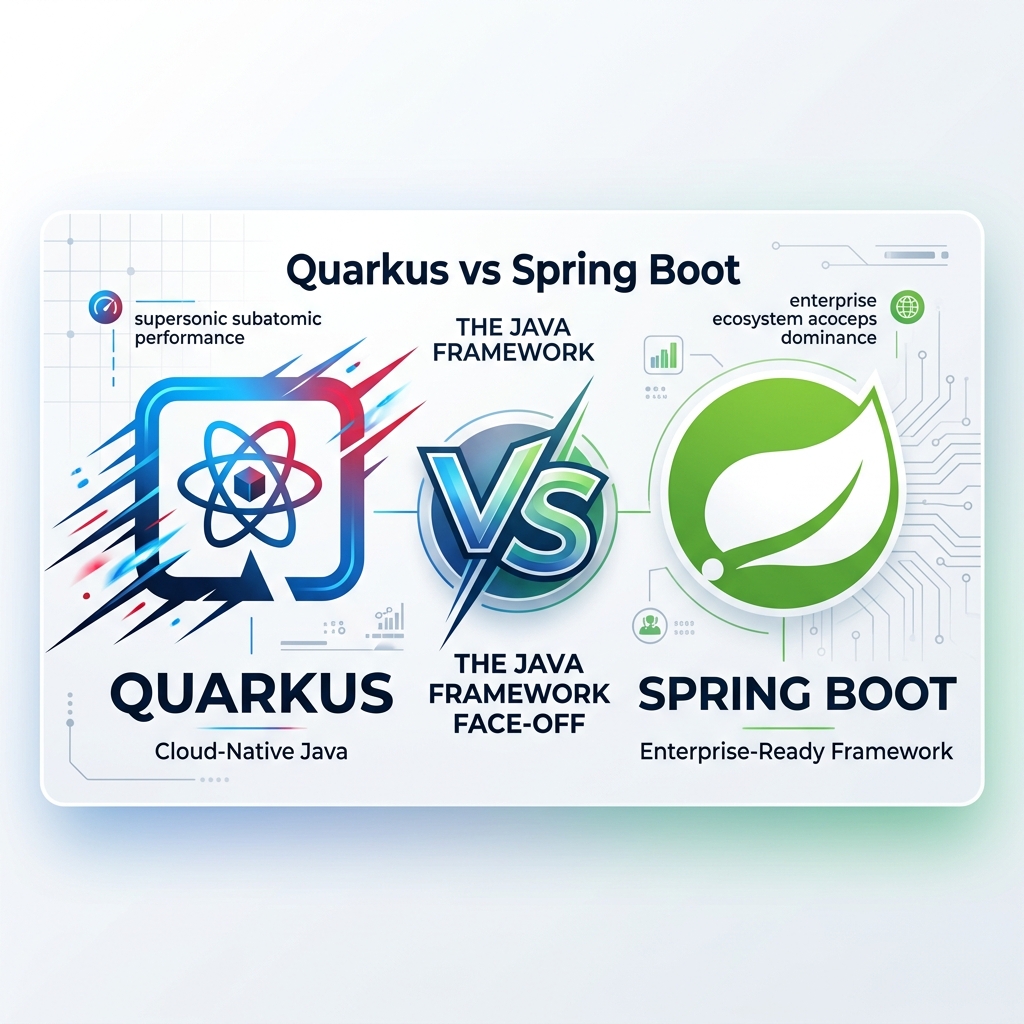
For over a decade, Spring Boot has reigned supreme as the de facto standard for building enterprise Java applications. Its rich ecosystem, convention-over-configuration paradigm, robust dependency injection engine, and vast community support made Java the bedrock of backend systems worldwide. However, the shift toward Cloud-Native Architectures, Kubernetes orchestration, Docker containerization, and Serverless execution (AWS Lambda, Knative) introduced new technical challenges for backend infrastructure: memory efficiency, instant scaling, and cold-start latency.
Java Quarkus Spring Boot GraalVM Microservices Cloud Native Kubernetes JVM Software Architecture
Introduction to Quarkus: Why Java Developers Are Moving to Supersonic Java

Introduction to Quarkus: Why Java Developers Are Moving to Supersonic Java

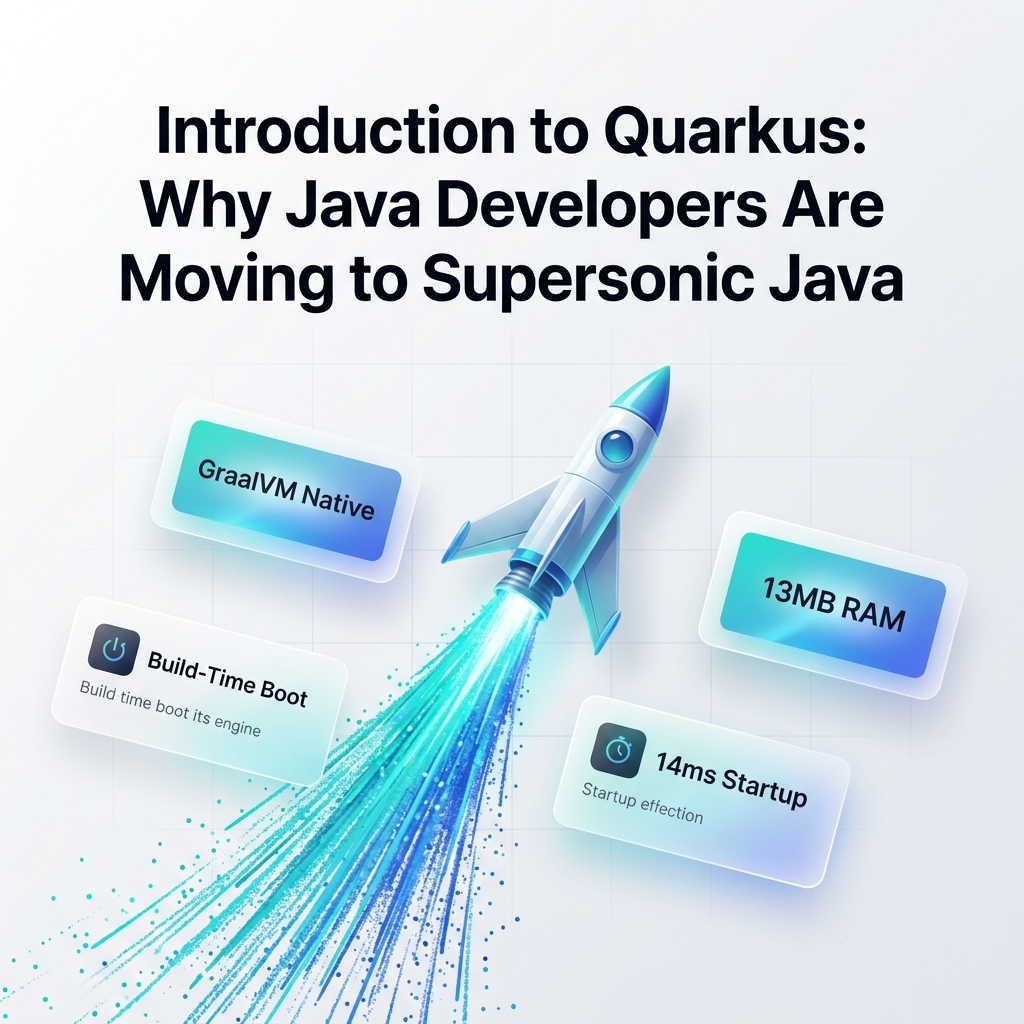
For nearly three decades, Java has been the dominant force in enterprise software development. Its rich ecosystem, robust object-oriented foundation, platform independence via the Java Virtual Machine (JVM), and battle-tested frameworks like Spring Boot made it the undisputed king of backend infrastructure. However, the shift toward Cloud-Native Architectures, Kubernetes orchestration, Containerization (Docker), and Serverless Computing (AWS Lambda, Knative) exposed a severe vulnerability in traditional Java application frameworks: high memory overhead and slow startup times.
Java Quarkus GraalVM Microservices Cloud Native Spring Boot JVM Software Architecture Serverless
Why Modern Microservices Prefer gRPC Over REST

Why Modern Microservices Prefer gRPC Over REST

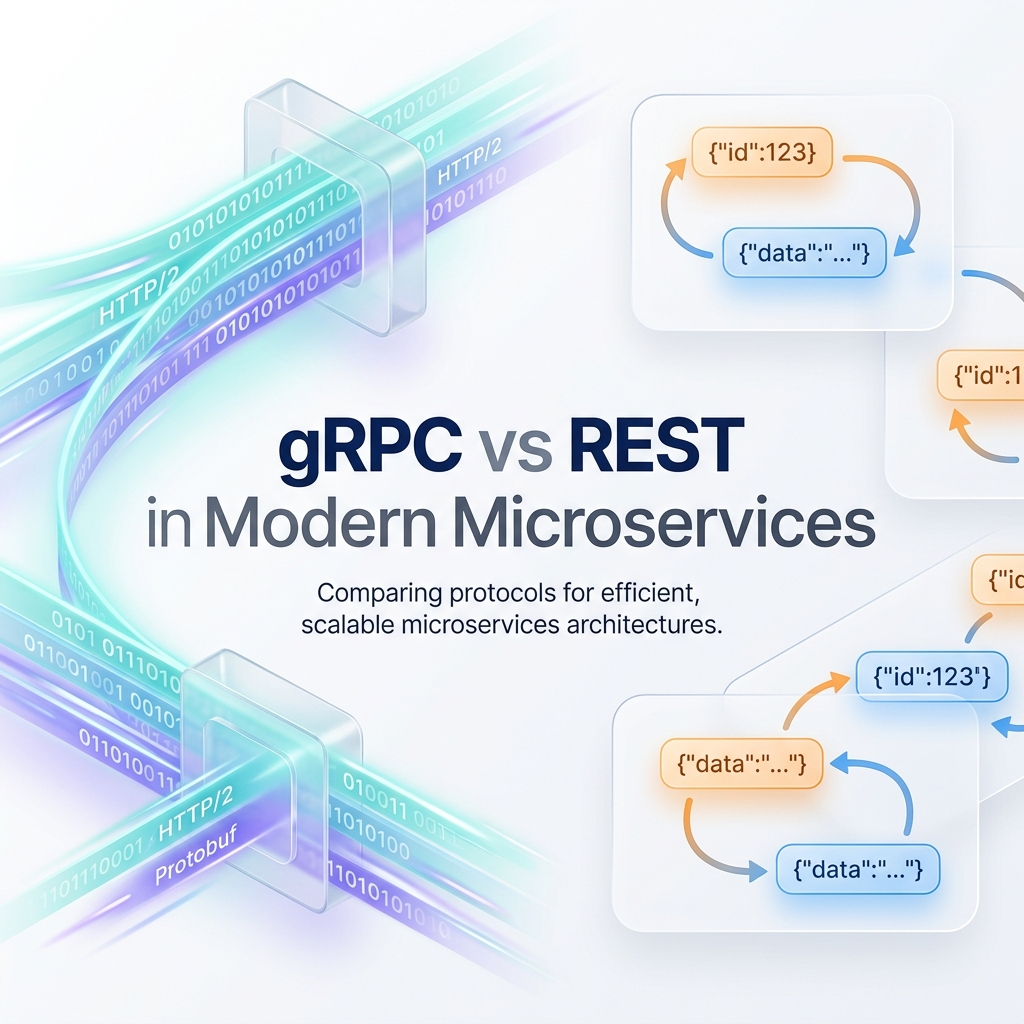
In a monolithic architecture, components communicate via in-memory method calls, which are instantaneous and highly reliable. When moving to a microservices architecture, however, these components are separated by network boundaries. Communication becomes an out-of-process network call (Inter-Process Communication, or IPC). For years, REST (Representational State Transfer) over HTTP/1.1 with JSON payloads has been the default standard for building web APIs. While REST is excellent for public-facing web services and client-to-server interaction, it introduces significant bottlenecks when used for high-frequency, low-latency, internal service-to-service communication.
gRPC REST Microservices Java Protocol Buffers HTTP/2 Software Architecture API Design
Convert JSON to Any Code Model Instantly with Ghaznix Explorer

Convert JSON to Any Code Model Instantly with Ghaznix Explorer

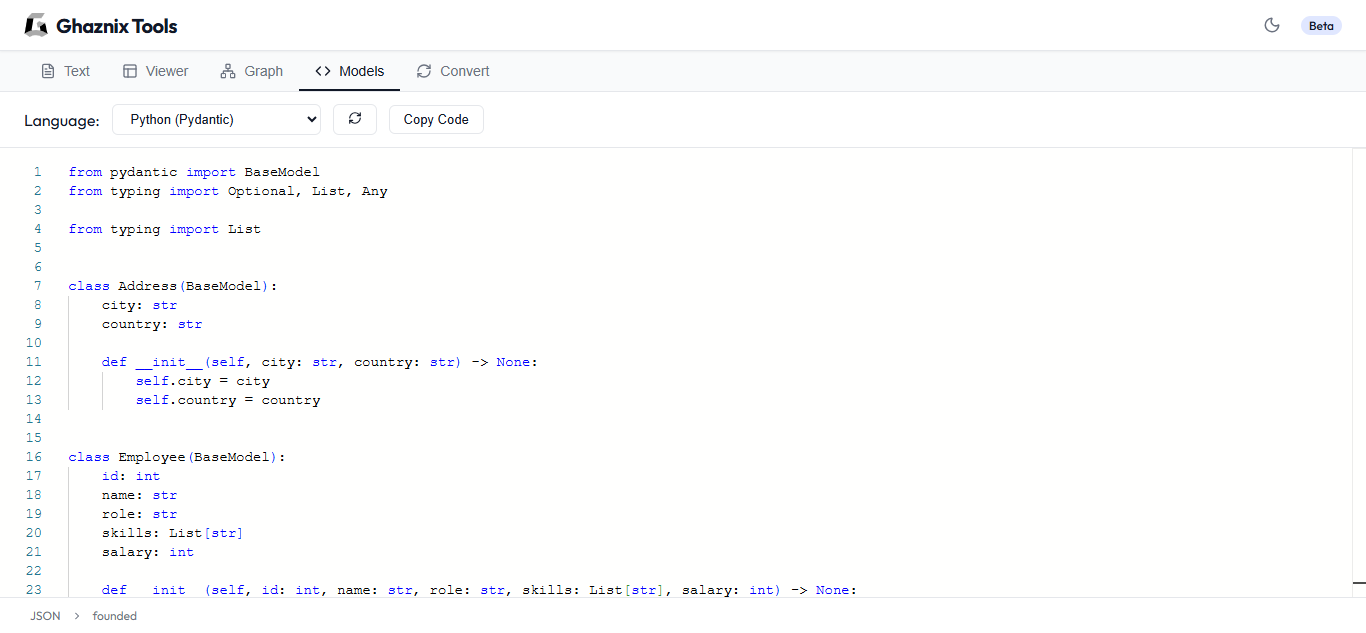
If you work with external APIs, you know the struggle. You receive a massive JSON payload, and before you can even begin writing business logic, you have to spend 30 minutes manually typing out data classes, structs, or models to parse it correctly. Typing out nested properties in Go, dealing with getters and setters in Java, or writing Pydantic validation schemas in Python is tedious and highly prone to typos.
json code generation python golang java csharp pydantic kotlin dart mongoose