How to Create a Survey That Gets Better Responses
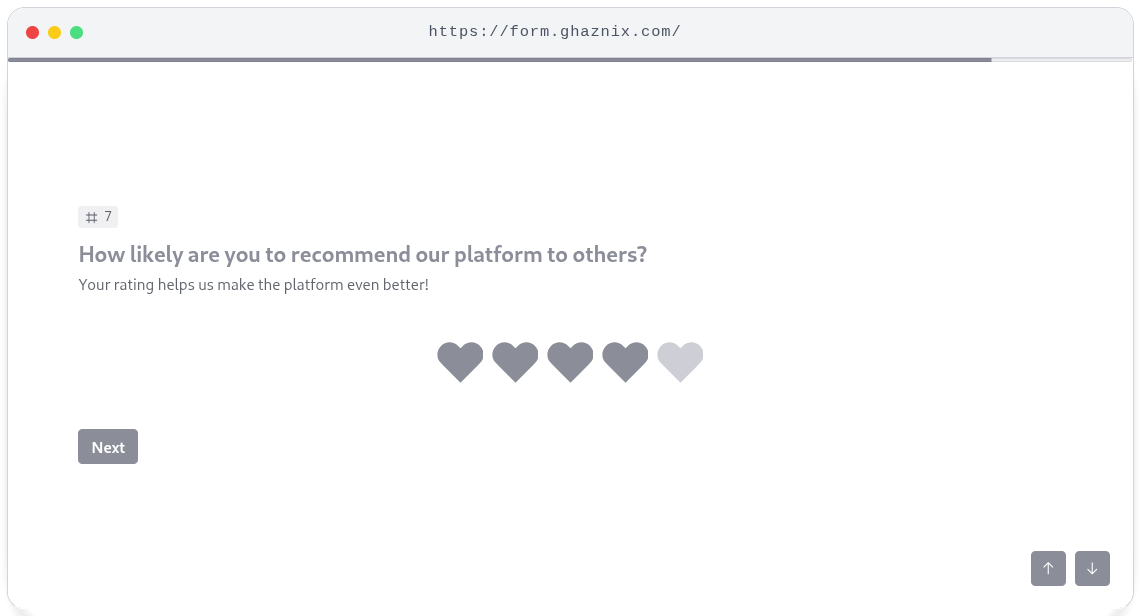
Creating a survey might seem simple. You write some questions, send it out, and wait for answers. However, anyone who has run a survey knows that getting meaningful and actionable responses takes careful planning. Low response rates, incomplete answers, or unclear feedback are common problems, but they can be avoided.
In this guide, we’ll show you how to create surveys that encourage participation, deliver valuable insights, and make your respondents feel heard.
1. Define Your Goal Clearly
Before writing any questions, it’s important to understand the purpose of your survey. Ask yourself:
- What specific information am I trying to gather?
- Who am I asking, and what do they care about?
- How will I use the responses?
A clear goal helps you design relevant and focused questions. Avoid vague surveys that leave respondents wondering why their input matters.
Example: Instead of asking “What do you think of our platform?” consider asking “Which feature of our platform helps you the most and why?” This ensures actionable answers.
2. Keep Your Survey Short and Focused
Lengthy surveys can discourage participation. Aim for 5 to 10 well-thought-out questions. Include only questions that directly support your survey’s goal and group similar questions together to make the survey easy to follow.
The shorter and more focused your survey, the higher the likelihood of meaningful responses.
3. Use Clear and Simple Language
Clarity is key. Avoid jargon, complicated phrases, or double negatives. Each question should address a single idea and be easy to understand.
Poor example: “Do you not dislike our new interface?”
Better example: “How satisfied are you with our new interface?”
Clear wording ensures respondents give honest and useful feedback.
4. Use Different Question Types Strategically
Variety keeps respondents engaged and provides richer data. Consider:
- Multiple choice questions: Quick to answer and great for gathering categorical data.
- Rating scales: Useful for measuring satisfaction, likelihood, or agreement.
- Open-ended questions: Capture detailed feedback and insights.
- Conditional questions (logic-based): Show only relevant questions based on previous answers.
Tip: Avoid too many open-ended questions, they require more effort. A balanced mix gives you actionable insights without tiring participants.
5. Optimize for Mobile
Many users complete surveys on smartphones. Ensure your survey is mobile-friendly by:
- Using responsive design that adjusts to different screens
- Making buttons and input fields easy to tap
- Minimizing scrolling and load times
A mobile-optimized survey increases completion rates and improves the user experience.
6. Offer Incentives Thoughtfully
Incentives can increase responses, but simplicity is key. Effective incentives include:
- Small gift cards or discounts
- Entry into a prize draw
- Early access to a product or feature
Clearly communicate the incentive and make it easy to claim. This encourages honest participation.
7. Test Your Survey Before Launch
Test your survey with a small group before releasing it to a larger audience. Look for:
- Confusing wording
- Technical issues
- Length or time required to complete
Testing ensures a smooth experience for your respondents and improves the quality of the feedback.
8. Follow Up and Show Impact
People are more likely to respond to future surveys if they see that their input is valued. Share results, highlight changes made based on feedback, and thank respondents for their time.
Showing the impact of feedback builds trust and encourages continued engagement.
9. Use Ghaznix Form to Make Surveys Smarter
With Ghaznix Form, creating high-quality surveys is easier than ever. You can:
- Build surveys with conditional logic
- Optimize forms for mobile devices
- Track responses with analytics dashboards
- Share forms easily with your audience
Start creating surveys that deliver better responses and actionable insights today.
✅ Key Takeaways
- Define your goal before asking questions.
- Keep surveys short, focused, and clear.
- Use a mix of question types strategically.
- Optimize for mobile and consider incentives.
- Test before launching and show respondents that their feedback matters.
Creating better surveys is about quality, clarity, and respect for your audience’s time. Using Ghaznix Form makes it simple to design, distribute, and analyze surveys that people actually want to complete.